Four Ways to Keep Up Good Dental Hygiene As You Get Older
minute read


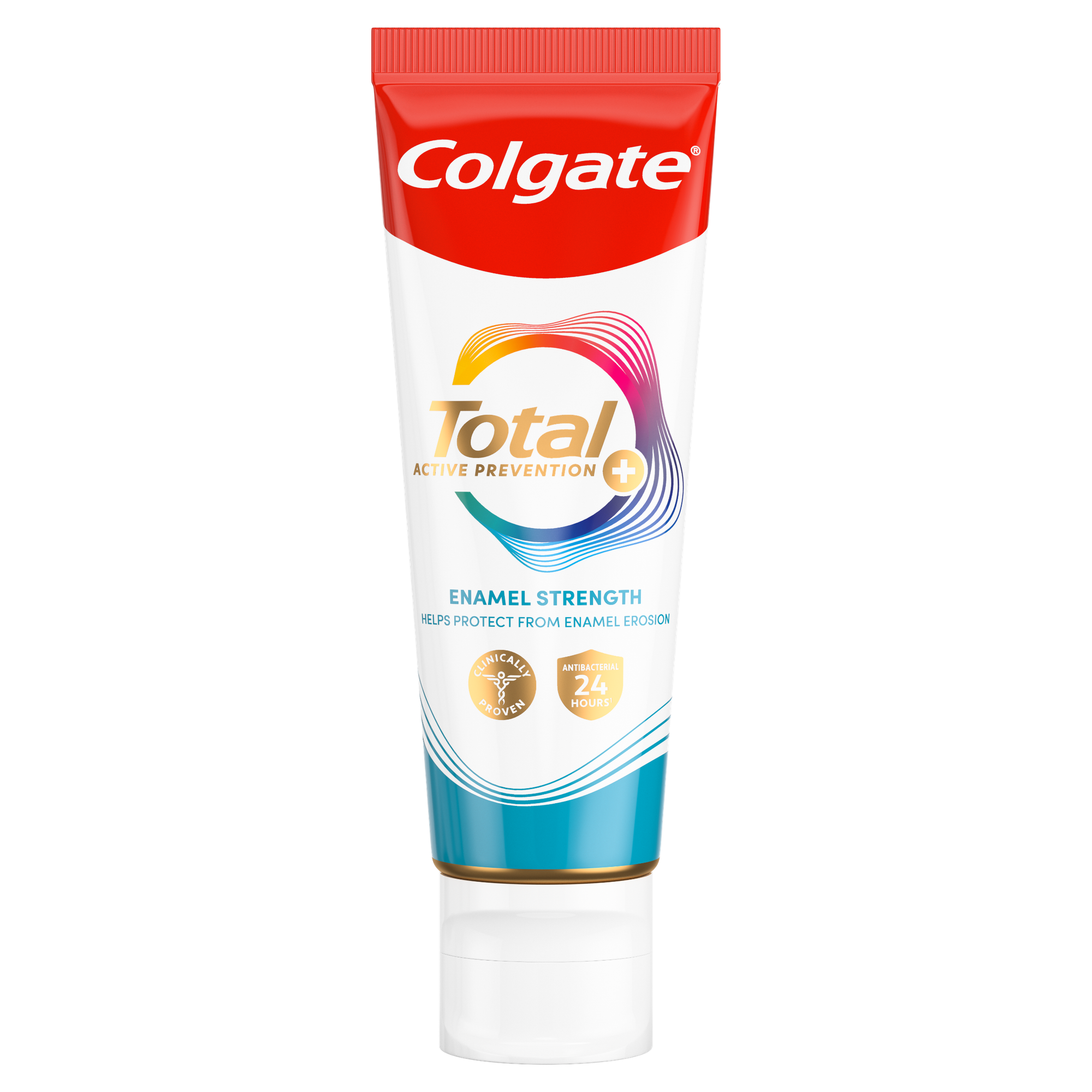
Fluoride isn't just for children. Even if you're over 50, it's still important to protect the surface of your teeth and ward off decay. When brushing – twice a day – use a fluoride toothpaste. If you are particularly concerned about cavities or have had a few as you've aged, your dentist might even give you an in-office fluoride treatment for an added level of protection.
Although getting older doesn't necessarily make dry mouth more likely, certain features of aging, such as more regular medications or a chronic condition, can increase your risk for dry mouth – along with cavities or decay.
If you suffer from dry mouth, there are a few improvements you can make to your dental hygiene to reduce your symptoms. You can use a moisturizing mouthwash or spray, or chew sugar-free gum, which encourages the production of saliva. Another option is to use an artificial saliva product, often available from the pharmacy without a prescription.
You can also consult your doctor or dentist if your dry mouth is caused by medication. Adjusting your dose or trying a new medicine can help alleviate certain symptoms.
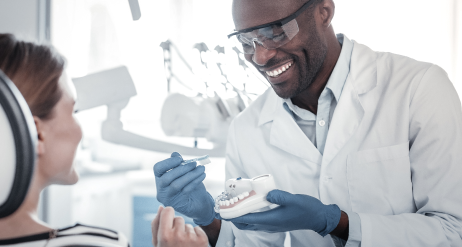
It's still important to take care of dentures just as you would care for real teeth. Use a toothpaste that is specially made for dentures, and make sure you clean them on a daily basis. You'll also want to brush your gums and tongue with a soft toothbrush to remove any bacteria and food particles from your mouth. If you have partial dentures, be sure to floss between the implants before you put the dentures back in. Your dentist can give you specific instructions on taking care of your dentures, so that they last as long as possible.
Whether or not you have all of your real teeth, gum disease remains a big concern among older individuals. A study published in the Journal of Dental Research found that nearly 64 percent of adults over age 65 had severe or moderate periodontitis in 2009 and 2010. Albeit common, gum disease doesn't have to be a cost of getting older. Maintaining good dental hygiene and seeing your dentist regularly will help you prevent it or treat it quickly.
A healthy smile looks great at any age. Keeping up with good hygiene habits, visiting your dentist regularly and making changes to your routine as your body changes will help you keep a great-looking smile for life.
ORAL HEALTH QUIZ
Take our Oral Health assessment to get the most from your oral care routine
This article is intended to promote understanding of and knowledge about general oral health topics. It is not intended to be a substitute for professional advice, diagnosis or treatment. Always seek the advice of your dentist or other qualified healthcare provider with any questions you may have regarding a medical condition or treatment.