What is Orthodontics?
minute read


Orthodontics is the branch of dentistry that corrects teeth and jaws that are positioned improperly. Crooked teeth and teeth that do not fit together correctly are harder to keep clean, are at risk of being lost early due to tooth decay and periodontal disease, and cause extra stress on the chewing muscles that can lead to headaches, TMJ syndrome and neck, shoulder and back pain. Teeth that are crooked or not in the right place can also detract from one's appearance.
The benefits of orthodontic treatment include a healthier mouth, a more pleasing appearance, and teeth that are more likely to last a lifetime.
A specialist in this field is called an orthodontist. Orthodontists receive two or more years of education beyond dental school.
Only your dentist or orthodontist can determine whether you can benefit from orthodontics. Based on diagnostic tools that include a full medical and dental health history, a clinical exam, plaster models of your teeth, and special X-rays and photographs, an orthodontist or dentist can decide whether orthodontics are recommended, and develop a treatment plan that's right for you.
If you have any of the following, you may be a candidate for orthodontic treatment:
Many different types of appliances, both fixed and removable, are used to help move teeth, retrain muscles and affect the growth of the jaws. These appliances work by placing gentle pressure on the teeth and jaws. The severity of your problem will determine which orthodontic approach is likely to be the most effective.
Fixed appliances include:
Removable appliances include:
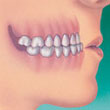 | 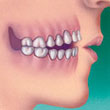 | 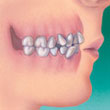 |
| Underbite | OpenBite | Crowding |
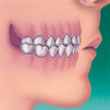 | 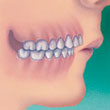 |
| Crossbite | Overbite |
02/2001
ORAL HEALTH QUIZ
Take our Oral Health assessment to get the most from your oral care routine
This article is intended to promote understanding of and knowledge about general oral health topics. It is not intended to be a substitute for professional advice, diagnosis or treatment. Always seek the advice of your dentist or other qualified healthcare provider with any questions you may have regarding a medical condition or treatment.